The Feed
Stories of Feeding God's Children Hungry in Body & Spirit
World Food Day, October 16, is a large global movement to bring awareness and action to the issue of hunger.
Every year, the United Nations picks a theme for World Food Day. This year’s theme is “Innovate Today. Nourish Tomorrow.” It almost feels like they hand-picked it for FMSC because we have been working diligently to innovate for the sake of feeding more of God’s children ever since our founding.
Here are five ways (and one bonus!) FMSC — with the help of supporters — has innovated to feed more kids and empower more communities to build lasting food security:
1. Scientifically designed food formulas
FMSC was founded in 1987 and work began on creating a food formula to nourish children facing poverty and malnutrition.
The history:
1993: With the help of a team of Cargill food scientists and colleagues from General Mills and Pillsbury, a vitamin-and-mineral fortified rice meal was created specifically for malnourished children around the age of 5 years old.
2008: FMSC changed the name from Fortified Rice Soy Casserole to MannaPack® Rice.
2008–2010: FMSC collaborated with leading HIV nutritionist Cade Fields-Gardner, MS, RDN, LDN, CD, to develop MannaPack Potato-D, the world’ first and only food to treat diarrhea. Diarrhea is a leading killer of children worldwide. When orphanages began using the smooth formula to feed infants, FMSC modified the formula to create MannaPack Potato-W, a weaning food that provides complete nutrients for babies 7–12 months old.
The impact:
- In 2026, we packed and shipped our 5 billionth meal — together.
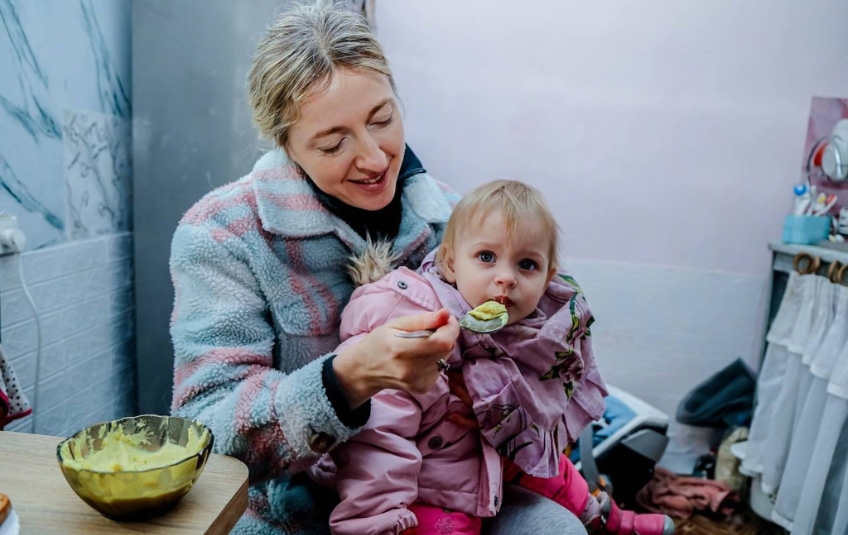
For a Ukrainian mother raising her 1-year-old in a warzone, seeing her daughter fed and happy was the most important thing. MannaPack Potato-W made that happen. In the middle of their unstable life, FMSC meals give their family something steady.
Innovation inspiration:
Food is the foundation for so much more, and FMSC partners and food recipients are incredibly innovative. While our MannaPack meals offer nutrition and flavor, it only makes sense for people to make them their own.
In Guatemala, a group put together a MannaPack Rice cookbook that includes nutritious and delicious recipes such as quesadillas, chimichangas, tamales and even chocolate rice.
2. MannaPack Mix
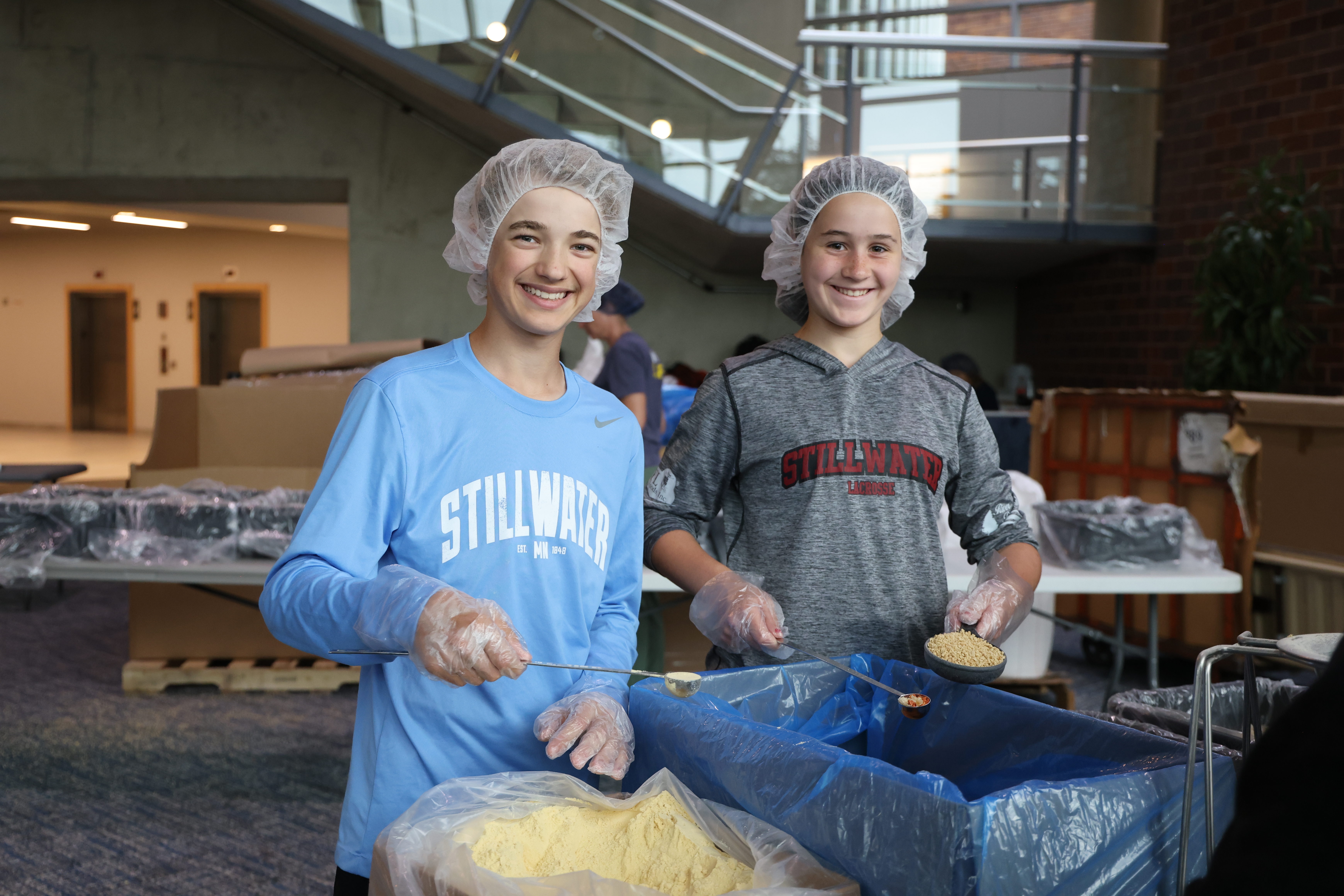
If you come to volunteer and learn you’ll be packing MannaPack Mix that day, that means you get to skip the rice scooping step!
MannaPack Mix combines FMSC-provided soy, vegetables and vitamins with locally sourced grain. It’s not a fit everywhere, but MannaPack Mix can lower shipping costs and support local economies.
The history:
2023: After extensive research and planning, the MannaPack Mix program began.
The impact:
- Cost of shipping can be a struggle for some partners, especially those in Africa where FMSC food takes a long and arduous journey to arrive. The MannaPack Mix program has made it so partners can receive more of the meals they need for less.
- The MannaPack Mix program makes it easier for food recipients to use locally acceptable recipes to boost the variety and nutritional value of local diets.
3. MobilePackTM events
To bring the packing experience to more people and to get more food to kids around the world, we had to expand past our permanent sites. MobilePack events can be hosted at churches, convention centers, schools and more all over the continental United States.
The history:
2004: Youth Encounter asked FMSC to bring a service experience to 300 students gathering in Kansas City, Mo. It was successful and Youth Encounter asked for more events. FMSC MobilePack events were born.
The impact:
- 2025/26 fiscal year saw 264 MobilePack events
Kids feeding other kids is powerful. At a 2026 MobilePack event in Florida, a kindergarten class filed outside to lay their hands on the truck carrying the meals. The students prayed and sang over the food that would feed kids just like them.
4. Machine-assisted packing
What started as a pandemic response, became an innovation that would help us feed even more kids. Our machine-assisted packing facility is located in Minnesota and staffed by a hardworking, passionate team.
The history:
2020: During the COVID-19 shutdown, FMSC introduced machine-assisted packing, adding a new layer to our manufacturing capacity. Since 2020, it continues to add consistent capacity alongside volunteers so FMSC can respond to disasters and immediate needs.
The impact:
Machine-assisted packing is one of the ways we can have more meals quickly and on-hand when a crisis arrives like the Venezuela earthquakes in June of 2026. We already had meals and trusted partner relationships in place, allowing meals to reach survivors within days of the quakes.
5. Community-led programs
FMSC began pairing meals with community-led work, bringing local leaders together to help communities move from relief toward long-term stability.
Through community-led programs, FMSC food distribution partners ask families, “If you didn’t have to worry about food, what would you do?” Even amid crisis and poverty, families have dreams for the future. Reliable meals create the stability to pursue them.
The history:
2012: Formerly PBFA (Project Based Food Assistance), community-led programs started in the Philippines and the Dominican Republic.
The impact:
- Since 2012, there have been programs in the Philippines, Uganda, Haiti and the Dominican Republic.
- At FMSC’s community-led program in Nakwanya, Uganda, reported childhood deaths decreased 31% from 62 in 2021 to 43 in 2025.
- In 2019, 21% of families in Te Wouj, Haiti did not have a single asset to their name. By 2024, every family had assets to help them create a livelihood.
Bonus: FMSC MarketPlaceTM
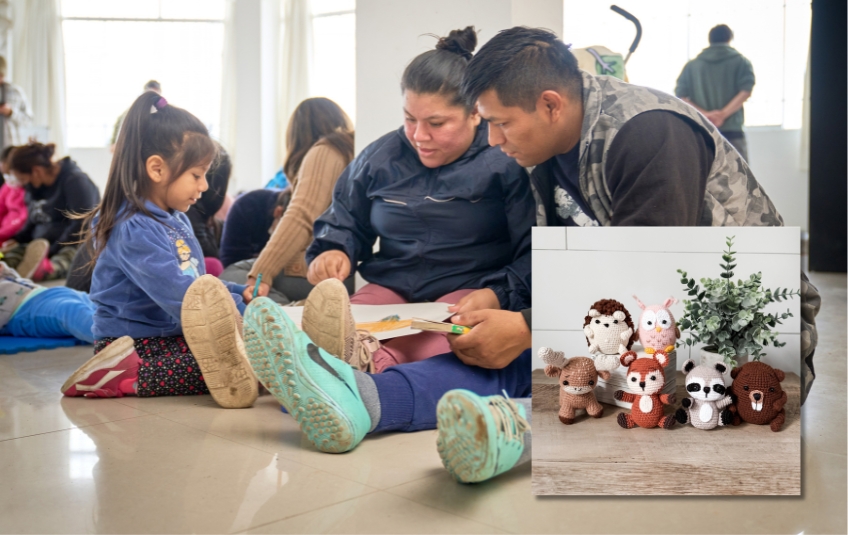
FMSC MarketPlace is an online and in-store retailer that supports artisans, empowers communities and feeds kids through any profits. It is Fair Trade Federation verified and committed to dignified employment and fair wages.
The history:
2007: While visiting an FMSC partner in Haiti, staff member Meghan Howard bought several hand-beaded bracelets from a group of young artisans. She then purchased 100 bracelets made by women in the Democratic Republic of the Congo to sell in the U.S. In a matter of days, they sold out and generated $500 for the artisans. FMSC bought more and sold more, and FMSC MarketPlace began.
The impact:
- 2025/26 saw 14,959 livelihoods supported through FMSC MarketPlace
- 2025/26 also saw 3 million meals funded by FMSC MarketPlace sales
Yaritza learned to create intricate amigurumi stuffed toys at her new job with Tejiendo Sueños (Weaving Dreams) in Peru. Within a month, she could buy her daughter a bed. Yaritza not only found a livelihood — she discovered her own strength.
We are still innovating
Through our technology investments, Africa Initiative, MobilePack expansion and more, we are always working to find creative solutions. Please consider giving today to reach more hungry children and empower communities around the world.
Subscribe to The Feed
We'll periodically send stories of hope to your inbox.